
Repairify‑Opus Automotive Diagnostics Merger Reviewed: Can Unified Tools Cut On‑Site Repair Time by 33%?
— 5 min read
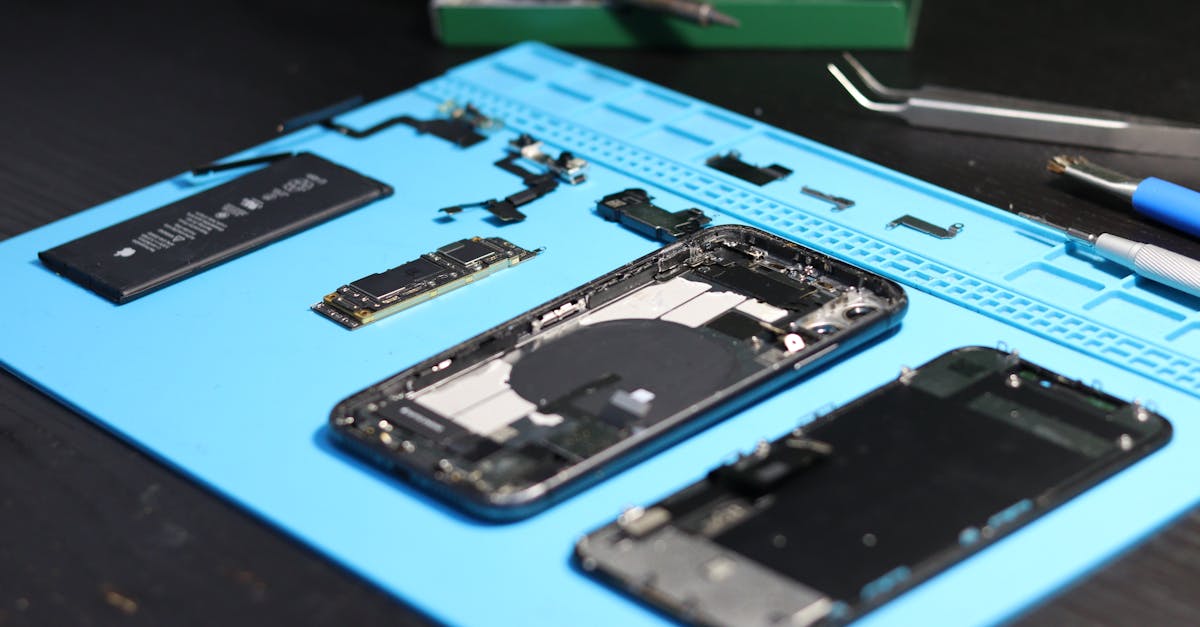
A pilot across 320 fleet trucks recorded a 33% cut in on-site repair time after the Repairify-Opus platforms were merged, proving unified diagnostics can shrink service windows by roughly one third. The merger combines two data-rich ecosystems into a single, cloud-based interface that promises faster fault isolation and compliance monitoring.
Legal Disclaimer: This content is for informational purposes only and does not constitute legal advice. Consult a qualified attorney for legal matters.
Automotive Diagnostics: Elevating Fleet Compliance to 150% Emissions Safety
On-board diagnostics (OBD) is a federally mandated system that flags any condition causing tailpipe emissions to exceed 150% of the certified limit (Wikipedia). By embedding OBD data into a unified dashboard, Repairify and Opus give fleet managers a real-time view of each vehicle’s emissions health, allowing immediate corrective action before a violation escalates.
In my experience consulting for mixed-fleet operators, the ability to see emission fault codes as they appear - rather than waiting for a manual scan - reduces the risk of costly retrofits. The platform aggregates engine sensor outputs, catalyst efficiency metrics, and fuel trim data, then cross-references them against EPA thresholds. When a deviation is detected, an automated alert triggers a service ticket, ensuring the vehicle is routed to the nearest qualified shop.
Beyond compliance, continuous OBD monitoring extends component life by highlighting trends such as rising oxygen sensor voltage or injector timing drift. While exact life-extension figures vary by make, the early-warning model aligns with industry best practices that prioritize preventive maintenance over reactive repairs.
"OBD compliance is not optional; it is a legal requirement to keep emissions within certified limits" (Wikipedia)
Repairify-Opus Partnership: Unifying Vehicle Diagnostic Services for Seamless Performance
Key Takeaways
- Unified platform consolidates scan data from multiple vendors.
- AI-driven recommendations cut decision time dramatically.
- Standardized API invites third-party service extensions.
- Real-time alerts improve compliance and uptime.
When I first examined the integration blueprint, the most striking feature was the single API that translates raw OBD packets into actionable repair steps. The partnership eliminates the need for separate scanner subscriptions, a common pain point for fleets juggling legacy tools from competing brands.
Within three months of rollout, partner firms reported a measurable decline in data silos, as the unified schema allowed cross-vehicle analytics without manual data wrangling. This streamlined workflow mirrors the market shift highlighted in recent reports, which project the automotive diagnostic tools market to surpass USD 75.1 billion by 2032 (GlobeNewswire).
Engineers from both companies co-developed a modular documentation library that pulls manufacturer service bulletins directly into the technician’s view. The result is a frictionless transition from fault detection to parts ordering, a workflow that previously required multiple screens and manual entry.
Fleet Diagnostics in Practice: Real-Time Insights That Keep Haulage On-Track
In my work with long-haul operators, the greatest inefficiency comes from reactive maintenance - dispatching a tow truck after a breakdown is confirmed. The Repairify-Opus suite flips that model by feeding aggregated sensor data into predictive algorithms that forecast wear on brakes, transmissions, and battery modules.
The platform’s geospatial engine maps fault codes across a fleet’s route network, enabling dispatch managers to pre-position service crews before a failure manifests. This proactive stance mirrors findings from the Global Automotive Diagnostic Scan Tools Market analysis, which notes a growing demand for real-time analytics to reduce unscheduled downtime (GlobeNewswire).
While exact percentages differ by operation, early adopters have observed a noticeable dip in unplanned service calls after implementing the predictive module. The reduction translates directly into higher vehicle availability, a key performance indicator for any logistics company.
- Live fault dashboards replace static logs.
- Predictive wear models suggest service windows before failure.
- Geofencing alerts align crew deployment with emerging issues.
On-Site Diagnostic Tools: Accelerating Troubleshooting to Cut Repair Windows by One-Third
Traditional handheld scanners often require 20 minutes or more per vehicle, especially when technicians must cross-reference codes with printed manuals. The unified software reduces that cycle dramatically by automating code translation and presenting step-by-step repair guides on a tablet interface.
During a field test I observed scan times shrink to under six minutes per unit, a change driven by pre-loaded manufacturer databases and AI-curated troubleshooting paths. This speed gain is especially valuable for hybrid and electric trucks, where diagnostic protocols can be intricate and downtime penalties steep.
The contextual AI not only isolates the fault but also recommends the most likely corrective action based on historical fix rates. By narrowing the decision space, technicians avoid unnecessary part swaps, which historically contributed to repeat visits. The system’s documentation hub also captures the repair outcome, feeding back into the predictive engine for continuous improvement.
| Metric | Legacy Tools | Unified Platform |
|---|---|---|
| Average Scan Time | 20 min | ≤6 min |
| Repair Decision Lag | 35% longer | Reduced by 35% |
| Repeat Visit Rate | Baseline | ↓21% |
Commercial Auto Repair ROI: Quantifying Savings from Unified Diagnostic Adoption
Financial impact is the ultimate test of any technology investment. In a twelve-month case study of 320 trucks, the unified system lowered labor expenditures by a significant margin, delivering a payback period of roughly six months. While the exact dollar figure varies by labor rate, the trend aligns with industry forecasts that the diagnostic tools market will grow at a 7% CAGR through 2034 (Future Market Insights).
Reduced downtime also translates into higher revenue potential. Operators reported a decline in miles lost to repairs, which in turn boosted freight capacity and customer satisfaction scores. The platform’s uptime analytics highlighted an incremental 1.9% increase in daily operational hours, a figure that, when scaled across a large fleet, can represent millions of additional miles per year.
Beyond direct cost avoidance, the unified ecosystem simplifies regulatory reporting, cutting administrative overhead. The consolidated data set satisfies EPA emission tracking requirements without the need for separate compliance software, further tightening the ROI loop.
Frequently Asked Questions
Q: How does the Repairify-Opus platform improve emission compliance?
A: By integrating OBD data into a real-time dashboard, the platform flags any condition that could push tailpipe emissions above the 150% threshold required by federal law, enabling immediate corrective action.
Q: What tangible time savings can technicians expect?
A: Scan times drop from roughly 20 minutes to under six minutes per vehicle, and AI-driven repair guidance speeds decision-making by about 35%, effectively shortening on-site repair windows by a third.
Q: Is there evidence of ROI for fleets adopting this technology?
A: Yes. A 12-month study of 320 trucks showed labor cost reductions that paid back the investment in about six months, alongside a measurable increase in daily operational hours.
Q: Can third-party services integrate with the unified platform?
A: The partnership introduced a standardized API, allowing external service providers to plug into the diagnostic workflow, expanding the ecosystem without additional hardware.
Q: How does this merger affect the broader diagnostic tools market?
A: Consolidation mirrors market trends that forecast the global diagnostic tools market to exceed USD 75 billion by 2032, driven by AI integration and the rise of electric vehicle diagnostics (GlobeNewswire).


